Our approach

Story, design, delivery.

The lifecycle of a presentation, and where each stage goes wrong.

Most presentations get help with one stage. Someone designs the slides. Sometimes someone coaches the speaker. Nobody is responsible for the whole thing from the audience’s seat. That’s the job we do: direction across all three stages, or only the one you need.

01 · Story

Our story process

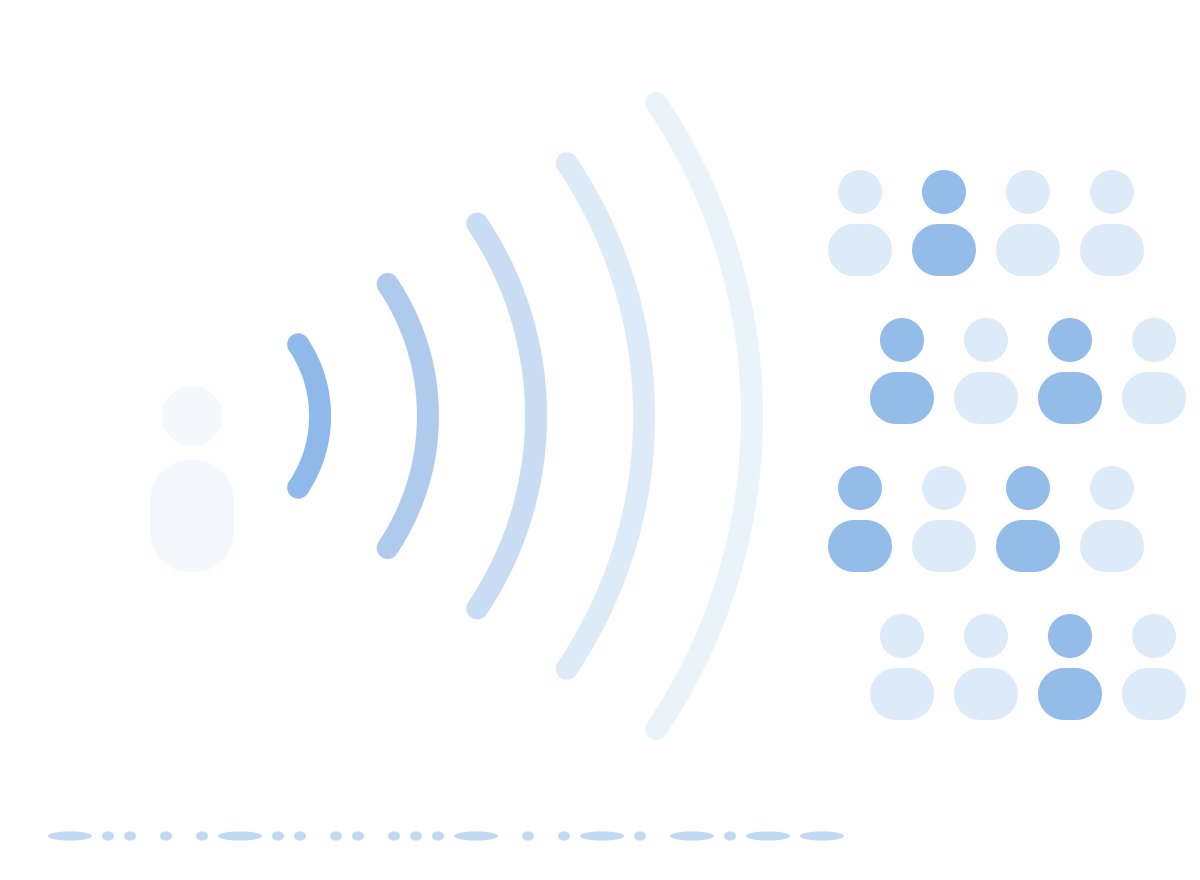
Story is the strategy stage. Most presentations don't lack content. They have too much of it, because you know your material too well to see what your audience doesn't need. So we start with them: what they want, what they need, what they have to decide, and how to respect their time. Your presentation is their journey, and you're the guide.

Where we start

We work it backwards, starting with the audience.

Where to start: Story coaching, or Story + Design if you want it built with you.
Data, in context

When the story is in the numbers

Data without context is meaningless. A number has to connect to a story your audience can relate to. Every number in your presentation should pass three tests.

Real

What is it measured against: last year, the competitor, the goal?

Relatable

What does it mean for the people in this room and the decision in front of them?

Memorable

What will they see, hold, or picture that keeps it with them after the meeting?

For one invite-only pitch, I turned the deck’s four sections into the four sides of a custom cube the client could hold. The team won the engagement.

All three depend on the same thing: connecting on an emotional level. If your audience doesn’t feel what a number means, they won’t act on it.

02 · Design

Design in service of the story.

How we design depends on how the presentation will be delivered, so that’s the first question we ask.

At a conference or in a large room, you carry the detail and the slides are a visual aid. The more senses a presentation engages, the more memorable the story. The slides carry the visual story. Your voice carries the rest: how something smelled, tasted or felt

Nobody is listening to you until they’ve finished reading every word.

  • Until they’ve finished looking for a spelling error.
  • Until they’ve finished looking for a double space.
  • Until they’ve checked whether the numbers really add up to 100.

There’s at least one of these people in every audience.

The slide is a visual aid. You carry the detail.

Storyboard

The outline becomes a slide-by-slide plan before anything is designed.

Build

Slides, charts, and visuals built in PowerPoint the way it’s meant to be used: clean masters, live charts, and motion where it helps people follow.

Proof

Every word, every space, and every total gets checked, because someone in your audience will check them too. Then legibility from the back row, and a file that behaves on someone else’s laptop.

Where to start: Story + Design, or Deck Reset if the story already works.

03 · Delivery

A finished deck is not a finished presentation.

The last stage is the one most people skip, and it’s the only one your audience sees.

Rehearse

We run it like a show in rehearsal, the way it will happen: standing, timed, clicker in hand, or on camera if that's how you'll present.

Feedback

Direct, specific feedback on what to cut, slow down, or say differently. Slides get fixed on the spot.

Pressure test

The hard questions. The meeting that gets cut to ten minutes. The projector that won’t connect.

You don’t need to become a different presenter. Be yourself, because that’s who shows up when something goes wrong.

Know the material cold, and have an answer ready for the question you hope nobody asks.

Where to start: Delivery coaching.

Story · Design · Delivery

All three, one director

For a keynote, a board meeting, an investor pitch, or a launch, one person carries the thread from the first conversation to the final run. Nothing gets lost in a handoff, because there isn’t one.

Where to start: Signature Presentation.

On AI

AI is a tool, not a storyteller

It can draft, summarize, and format in seconds, and we use it where it speeds the build. It doesn’t know the people you’re presenting to or what they’re worried about, and it can’t tell you what to leave out. That judgment is the work.

Which stage is keeping you up?

Tell us where you’re stuck. The first conversation is on us.

Start the conversation